
The Role of Oncology Transcription in Maintaining Accurate Cancer Treatment Records
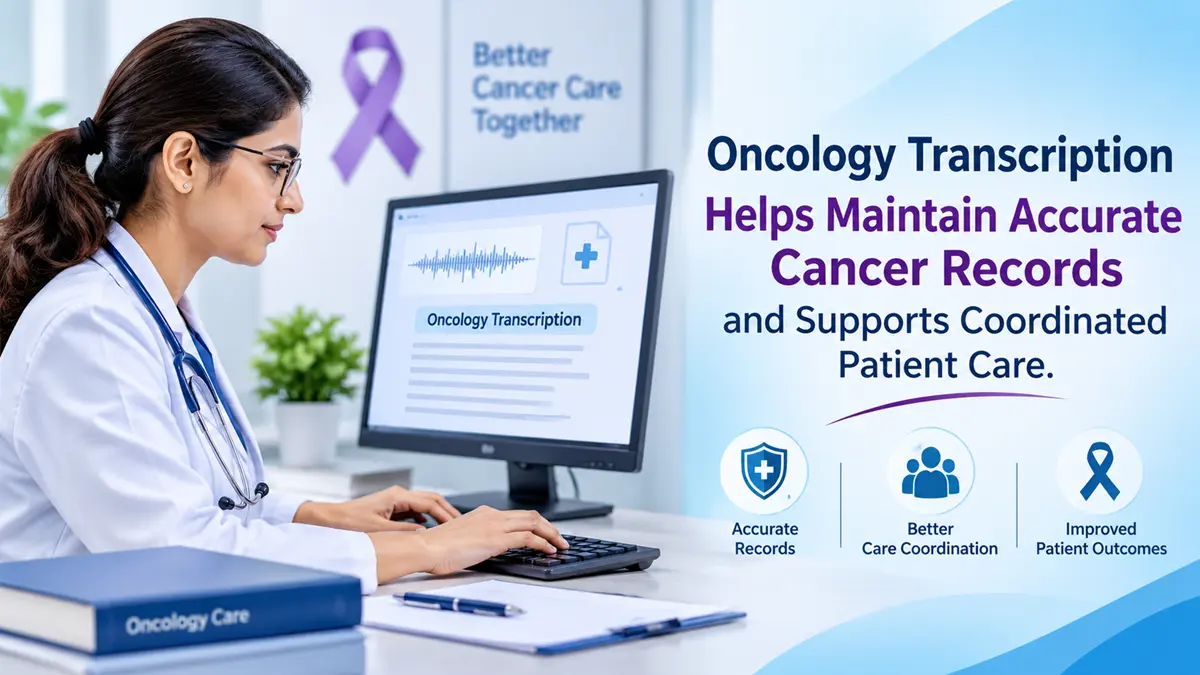
Cancer treatment involves many stages, including diagnosis, laboratory testing, surgery, chemotherapy, radiation therapy, and follow-up care. Each stage requires clear and accurate documentation to help healthcare providers make informed decisions. Even a small mistake in a patient’s medical record can create confusion during treatment.
This is where an Oncology Transcription Service plays an important role. It helps convert physicians’ recorded notes into well-organized written documents, making it easier for oncology teams to maintain complete patient records and support better care.
Accurate documentation also helps doctors track treatment progress, review medical history, and communicate important information with other healthcare professionals.
Why Accurate Cancer Treatment Records Matter
Cancer care often involves several specialists, such as medical oncologists, radiation oncologists, surgeons, radiologists, and pathologists. Each professional needs access to reliable patient information to understand the condition and plan the next steps.
According to the National Cancer Institute, an estimated 2,041,910 new cancer cases were expected in the United States in 2025. This highlights the need for organized medical records and effective communication across healthcare teams.
Accurate records help healthcare providers:
• Review a patient’s medical history and previous treatments.
• Track changes in the patient’s condition.
• Understand test results and physician recommendations.
• Avoid confusion when multiple specialists are involved.
• Plan follow-up visits and ongoing care.
Well-maintained documentation also helps reduce the risk of missing important clinical details.
How Oncology Transcription Helps Maintain Accurate Records
Oncology involves complex medical terms, treatment plans, and patient information. Converting recorded physician notes into clear written reports helps healthcare providers maintain consistent documentation.
Here are some important ways transcription supports cancer treatment records.
1. Keeps Patient Medical History Organized
A patient’s cancer history may include previous diagnoses, biopsy reports, imaging results, surgeries, medications, and treatment responses.
Transcribed clinical notes help bring this information together in an organized format. Doctors can review previous records without relying only on memory or searching through scattered notes.
This makes it easier to understand the patient’s medical journey and prepare for future appointments.
2. Supports Accurate Chemotherapy Documentation
Chemotherapy requires careful monitoring and detailed documentation. Physicians need to record prescribed medications, treatment schedules, patient responses, side effects, and changes in therapy.
Clear documentation helps oncology teams:
• Review previous chemotherapy sessions.
• Track reported side effects.
• Record treatment changes.
• Monitor patient progress.
• Maintain consistent follow-up records.
Accurate notes help healthcare professionals review important treatment details before making further clinical decisions.
3. Improves Communication Between Healthcare Providers
Cancer treatment often requires a coordinated approach. A patient may receive care from different specialists at different healthcare facilities.
Clear clinical reports help ensure that everyone involved has access to relevant patient information.
For example, an oncologist may need to review a surgeon’s operative notes or a radiologist’s findings before deciding on the next stage of treatment.
Well-organized records support better communication and reduce the chances of misunderstandings.
4. Helps Track Treatment Progress Over Time
Cancer treatment can continue for months or even years. During this period, doctors regularly assess the patient’s condition and response to treatment.
Transcribed progress notes help maintain a record of:
• Changes in symptoms.
• Laboratory and imaging findings.
• Medication adjustments.
• Treatment outcomes.
• Follow-up recommendations.
These records allow physicians to compare current findings with previous reports and understand how the patient’s condition has changed.
5. Supports Better Electronic Health Record Management
Electronic Health Records (EHRs) allow healthcare providers to store and access patient information digitally.
However, incomplete or poorly organized clinical notes can make it difficult to find important details. Properly prepared transcription documents can help maintain readable and structured records within an EHR system.
This supports easier information retrieval and helps healthcare teams review patient histories when needed.
The Importance of Professional Oncology Transcription Services
Oncology documentation requires familiarity with cancer-related terminology, medical abbreviations, medications, and treatment procedures. Even a small transcription error involving a drug name, dosage, or clinical finding can create confusion.
Professional Oncology Transcription Service providers help healthcare facilities convert physician dictations into clear and properly formatted documents.
When selecting a provider, oncology practices should consider the following factors:
• Medical knowledge: Transcriptionists should understand oncology terminology and common treatment procedures.
• Quality checks: Documents should go through appropriate proofreading and quality review processes.
• HIPAA compliance: Providers should follow applicable privacy and security requirements when handling protected health information.
• Turnaround time: Timely delivery helps physicians access completed reports when needed.
• Data security: Secure systems and appropriate access controls help protect sensitive patient records.
Healthcare providers should also ensure that qualified clinical staff review and approve documentation when necessary. Transcription support does not replace the physician’s responsibility for accurate medical records.
How Medical Transcription Supports Better Cancer Care
Accurate documentation is an important part of quality healthcare. Professional Medical Transcription helps convert spoken clinical information into readable reports that support record management, communication, and continuity of care.
For oncology practices across the USA, organized documentation can make it easier to manage complex patient histories and maintain consistent treatment records.
By choosing an experienced transcription partner, healthcare facilities can reduce documentation workloads and allow physicians to spend more time focusing on patient care.
Frequently Asked Questions (FAQs)
1. What is oncology medical transcription?
Oncology medical transcription is the process of converting recorded notes from cancer specialists into written medical documents. These may include consultation notes, treatment plans, progress reports, and follow-up records.
2. Why is accurate documentation important in cancer treatment?
Accurate documentation helps doctors review patient histories, monitor treatment progress, understand previous medical decisions, and coordinate care with other specialists.
3. What types of documents are included in oncology transcription?
Common documents include oncology consultation reports, chemotherapy notes, radiation therapy records, pathology reports, surgical notes, discharge summaries, and follow-up reports.
4. How does oncology transcription support patient care?
It helps maintain organized patient records, improves access to clinical information, and supports communication among healthcare professionals involved in cancer treatment.
5. Why should oncology practices outsource transcription services?
Outsourcing can help oncology practices manage documentation workloads, improve report turnaround, and give physicians more time to focus on patient care.